
-
Kindly give our readers an introduction to your business. Please include what your business is all about, in which city you are located and if you have offices in multiple locations/cities.
I’m building OBX Holdings, a home-services platform based in the Clarksville and Nashville, Tennessee, area. Our brands include USA Contracting, which focuses on roofing and exterior renovations, and USA ProFlow Plumbing, with operations in Tennessee and Arizona.
The larger vision is to bring roofing, plumbing, HVAC, and electrical services into one organization with strong local operators and shared technology, training, marketing, and accountability. We want homeowners to know who they’re calling, what to expect, and that someone will take responsibility for the work.
-
Kindly give us a brief description about yourself, including your educational or entrepreneurial background and major achievements.
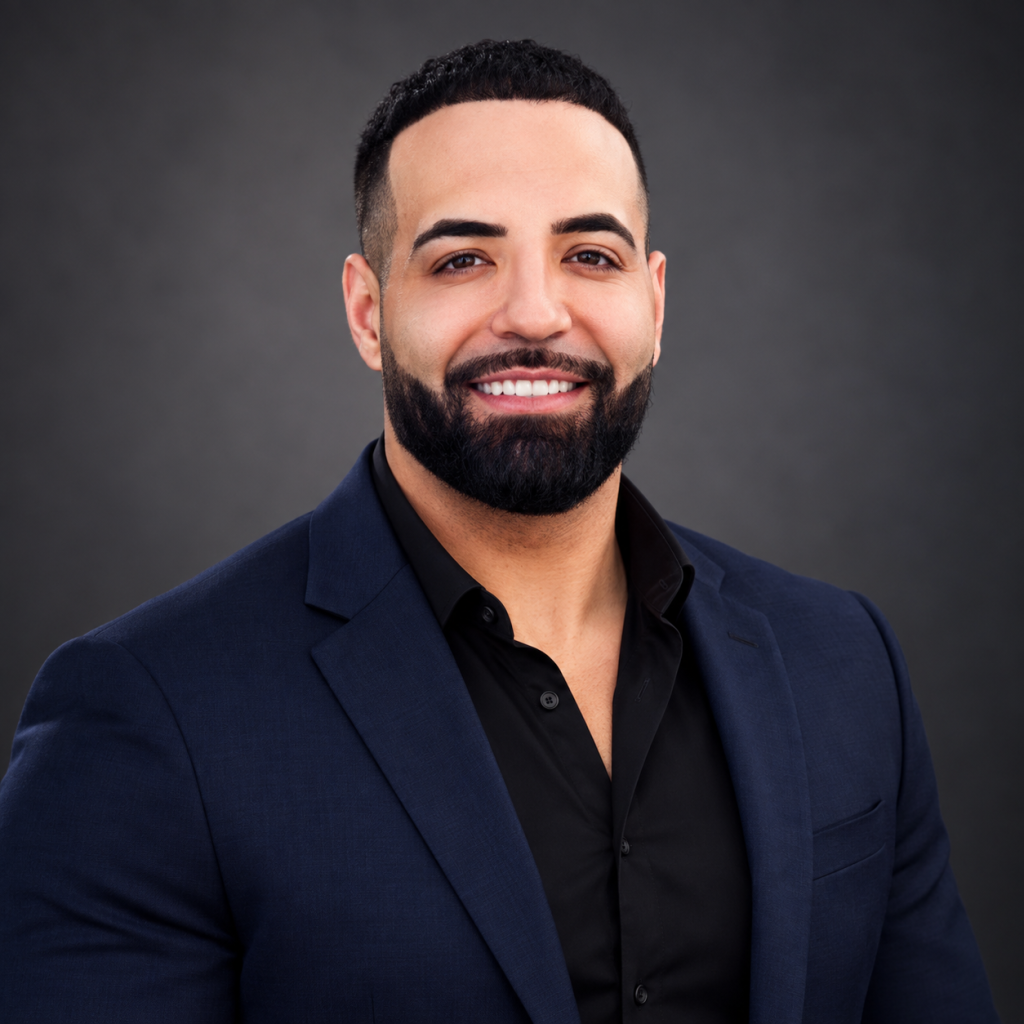
My name is Oswaldo Barajas, but most people know me as Junior. I grew up in South Central Los Angeles and served in the United States Army with the 3rd Brigade Rakkasans at Fort Campbell, Kentucky. The Army shaped how I think about discipline, leadership, and responsibility.
I started my entrepreneurial journey at 23 and co-founded Southern Roofing & Renovations. We grew the company to more than 17 locations and over 200 employees before completing a nine-figure sale to private equity.
Today, I’m applying those lessons to OBX Holdings. I’ve experienced building a company, scaling teams, navigating a major transaction, and dealing with difficult partnerships and legal challenges afterward. Those experiences were connected to standing up for myself, beating private equity, and creating the freedom to do what I love again: building businesses. They have strongly influenced how I’m building this next organization.
-
What inspired you to start a new business venture? How did the idea for your business come about?
Building my first company showed me how much opportunity exists in the trades, but it also showed me where businesses struggle. A talented operator can still be held back by weak marketing, inconsistent training, poor reporting, or systems that don’t communicate.
The idea behind OBX was to build the support structure around those operators. We want local leaders to focus on their people, customers, and execution while the platform supports technology, marketing, and expansion.
I also wanted to build again with the benefit of experience. After an exit, difficult partnerships, and legal challenges, you understand ownership, control, and alignment in a way you may not fully appreciate when you’re starting. I wanted to use those lessons to build something on my own terms and return to doing what I love.
-
What three pieces of advice would you give to budding entrepreneurs?
First, learn your numbers early. Revenue means very little if you don’t understand job costs, margins, overhead, and cash flow.
Second, be deliberate about choosing partners. Someone can be talented and still be the wrong person to share ownership with. Get expectations, responsibilities, decision-making authority, and ownership terms in writing.
Third, learn the work before you try to scale it. Understand what happens in the field, what customers experience, and what your employees need. You’ll make better decisions when you’ve been close to the work.
-
What would you say are the top three skills needed to be a successful entrepreneur?
The first is making decisions under pressure. You rarely get perfect information, but people are still waiting for direction.
The second is developing people. Your business eventually reaches the limit of what you can personally manage.
The third is financial understanding. You need to recognize whether growth is making the company stronger or simply making its problems more expensive.
Those skills matter even more as the organization grows.
-
How many hours do you work a day on average?
Around the clock, it never really stops. Entrepreneurship is always on my mind, even when I’m not physically working.
My responsibilities don’t fit neatly into a set schedule. Some days are focused on operations and people; others involve partnerships, financial planning, marketing, or expansion.
At this stage, I’m focused on making my time more productive and building leaders who can make decisions without everything coming through me.
-
To what do you most attribute your success?
A willingness to take responsibility, keep learning, and work through uncomfortable situations.
My upbringing gave me a reason to want more, and the Army gave me structure. Business taught me that effort alone isn’t enough—you need the right people, sound decisions, and the ability to change when something isn’t working.
I also had people who helped build the company alongside me. A founder can set the direction, but reaching that scale takes a team.
-
How do you go about marketing your business? What has been your most successful form of marketing?
My background includes direct sales and getting close to homeowners. That teaches you quickly what people care about and what makes them hesitate.
With the USA brands, we’re combining that experience with paid advertising, search, local visibility, follow-up, and better tracking. I want us to understand which campaigns produce completed, profitable work.
Our current roofing campaigns focus on specific homeowner concerns: leaks, missing shingles, flashing problems, maintenance, and knowing whether a roof needs a repair or replacement. A useful, clear offer gives people a reason to contact us.
-
Where did your organization’s funding/capital come from, and how did you obtain investors for your venture?
OBX Holdings is self-funded. I’m using my own resources and experience to build the company carefully and intentionally.
Co-founding a company that reached a nine-figure private-equity sale gave me firsthand experience with building a business that outside investors would evaluate and acquire.
For this next chapter, I’m much more deliberate about the relationship between capital, ownership, and contribution. When I consider a partner, I want to understand exactly what they bring, what they’re responsible for, and how that helps the organization grow. My past experiences with difficult partnerships have made clarity and alignment especially important to me.
-
What is the best way to achieve long-term success?
Build a business that can perform consistently without depending on one person.
That requires capable leaders, clear financial reporting, repeatable training, and standards that people actually follow. You also have to keep listening to customers and employees as the company grows.
Long-term success comes from making those fundamentals work across the organization. Opening another location is exciting, but the existing locations need to remain healthy.
-
Where do you see yourself and your business in five to ten years?
I want OBX Holdings to become a substantial home-services platform with strong businesses across multiple markets and trades.
We’re also developing a software platform intended to bring our organization’s workflows together, including training, customer management, canvassing, storm tracking, and insurance-restoration tools. Over time, I see an opportunity for that technology to serve the wider industry.
Personally, I want to spend more time developing leaders and making strategic decisions. Another major exit could be part of the future, but first we have to build an organization worth acquiring. More importantly, I want to build it in a way that allows me to keep doing what I love.
-
Excluding yours, what company or business do you admire the most?
A1 Garage Door Service is a business I would point to because I’ve been interested in its growth journey. Building a large organization around a trade that many people overlook is relevant to what we’re doing.
I’m interested in how service businesses develop technicians, standardize the customer experience, and grow beyond the founder. Those are the parts of a business I study closely.
RECOMMENDED QUESTIONS
-
How important have good employees been to your success?
Essential. You don’t build more than 17 locations and a team of over 200 people by yourself.
The people answering calls, selling jobs, managing branches, and completing the work determine whether the company delivers on its promises. Leadership has to give them clear expectations, useful training, and room to grow.
One thing I’ve learned is that hiring good people is only the beginning. You also have to build an environment where they can succeed.
-
How long do you stick with an idea before giving up?
I’m persistent, but I want evidence that we’re moving in the right direction.
I look at what we’ve tried, whether we executed properly, and what the results tell us. Sometimes the idea is sound and the execution needs work. Sometimes you need to change the approach.
I don’t want pride to keep us committed to something that the numbers and customer feedback no longer support.
-
What motivates you?
My family, the opportunity to build again, and knowing what a successful business can do for the people inside it.
I’m motivated by seeing someone develop into a leader or earn more than they thought possible because they found the right opportunity.
I also have unfinished ambitions. Having a successful exit didn’t remove my desire to build. It gave me experience that I want to put to work. After dealing with difficult partnerships and legal challenges, I’m especially motivated by the opportunity to build independently and do what I love again.
-
What are your ideals?
Ownership, honesty, loyalty, and following through.
If you take responsibility for something, I expect you to own the outcome and communicate when there’s a problem. If you make a commitment, people should be able to rely on it.
I hold myself to those expectations too. A leadership title doesn’t excuse you from the standards you ask everyone else to meet.
-
How do you generate new ideas?
A lot of ideas come from paying attention to repeated problems.
If customers keep asking the same question, our marketing may need to explain something better. If employees keep struggling with the same task, our training or systems may need to change.
I also study other operators and industries. Then I ask whether an idea would solve a real problem for our customers or team and how we could test it.
-
How do you define success?
Success means building something valuable while having a life I’m proud of outside the company.
Financial results matter, but so do the quality of the organization, the opportunities it creates, and my relationship with my family.
I want my children to see ambition and responsibility together. Building a large business is an accomplishment; being someone they can count on matters just as much.
-
How do you build a successful customer base?
Earn trust in the details.
Answer the phone, show up when you say you will, explain what you found, and give the customer a clear understanding of their options. Keep them informed while the work is happening and take responsibility if something goes wrong.
In home services, people are trusting you with their house and their money. The experience needs to justify that trust from the first conversation through completion.
-
What is your favorite aspect of being an entrepreneur?
Taking an idea and watching it become a functioning business with real people, customers, and opportunities.
I enjoy building the team, figuring out the model, and seeing a new location start to work. There’s a lot of satisfaction in knowing that something you helped create now supports families and gives people a path forward.
I also enjoy the responsibility of deciding what we build next. After everything I went through with private equity and difficult partnerships, having the freedom to build again and do what I love is especially meaningful.
-
What has been your most satisfying moment in business?
The nine-figure sale of Southern Roofing & Renovations was a major milestone. It represented years of work and showed what our team had built.
At the same time, the period afterward brought difficult partnerships and legal challenges. Standing up for myself, beating private equity, and protecting the ability to move forward were important parts of my journey.
Starting again has brought a different kind of satisfaction. I’m bringing the experience of that first company into a new platform, with a clearer understanding of what I want from the business and the people around me.
There’s a lot of meaning in being able to build the next chapter on my own terms and return to doing what I love.
-
What do you feel is the major difference between entrepreneurs and those who work for someone else?
The level of financial risk and responsibility for the overall outcome.
As an owner, you’re responsible for payroll, cash flow, customer problems, and decisions that affect other people’s livelihoods. That responsibility stays with you even after the workday ends.
But I’ve worked with employees who have tremendous ownership and leadership ability. Entrepreneurship is one path, and building a career inside an organization can be equally valuable.
-
What kind of culture exists in your organization? How did you establish this tone, and why?
The culture I’m building emphasizes accountability, development, and pride in the work.
We use reporting and clear expectations so leaders know what is happening in their locations. I care about sales activity and production, but I also care about training, communication, and how a jobsite looks when the crew leaves.
My Army background influences that approach. People should understand their responsibilities and how their work affects the team. The goal is to create an organization where strong performance is recognized and problems are addressed directly.
My experiences with private equity and difficult partnerships have also reinforced the importance of transparency, trust, and clear accountability. I want people to know where they stand and what is expected of them.
-
In one word, characterize your life as an entrepreneur.
Relentless.
OPTIONAL QUESTIONS
-
If you had the chance to start your career over again, what would you do differently?
I would spend more time understanding partnership structures, contracts, governance, and what happens when people’s interests change.
Early on, it’s easy to focus on growth and assume that everyone will remain aligned. Experience teaches you to define responsibilities, decision rights, and expectations before there’s a disagreement.
I would also build management depth earlier. Being involved in everything can help you get started, but it becomes a constraint as the company grows.
-
How has being an entrepreneur affected your family life?
It has created opportunities, but it has also demanded time and attention that could have gone to my family.
Business pressure can follow you home. A difficult week doesn’t automatically leave your mind when you walk through the door.
I’m more conscious of that now. My children and my fiancée need my presence, and I want to build an organization that gives me the ability to be available to them.
-
What is your greatest fear, and how do you manage fear?
Letting down the people who depend on me.
That includes my family and the people whose livelihoods are connected to the businesses. I take that responsibility seriously.
I manage it by turning concerns into something I can work on: reviewing the numbers, having difficult conversations, improving a process, or making a decision. Fear is easier to handle when I understand the problem and have a next step.
-
How did you decide on the location for your business?
My connection to the Clarksville area began with my Army service at Fort Campbell. It became a place where I built relationships, a family life, and a business network.
As we expand, I also look at whether a market can support the services we offer and whether we have the right operator to lead it.
A good market matters, but you still need people who can execute, serve customers, and build a team locally.
-
Do you believe there is some sort of pattern or formula to becoming a successful entrepreneur?
There are repeatable fundamentals: understand the customer, know your numbers, hire capable people, set clear expectations, and keep improving.
The circumstances change, but those responsibilities remain.
For our expansion, I want a repeatable process for evaluating a market, preparing marketing, recruiting an operator, training the team, and measuring performance. The more clearly we understand that process, the better decisions we can make about when and where to grow.
-
If you could talk to one person from history, who would it be and why?
I would choose Dwight D. Eisenhower because of the scale of the leadership responsibilities he carried.
I would want to ask how he aligned people with different priorities, made decisions with incomplete information, and handled the consequences of those decisions.
My Army background makes those questions interesting to me, and they also apply to leading a growing organization.
-
Who has been your greatest inspiration?
My children.
They make me think about what I’m building and how I’m living. I want them to understand that their starting point doesn’t have to determine their future, but I also want them to see what responsibility and consistency look like.
Providing for them matters. Being someone they can learn from and rely on matters too.
-
What book has inspired you the most, or what is your favorite book?
One book that has influenced me is Extreme Ownership by Jocko Willink and Leif Babin. Its central message—that leaders have to take responsibility for outcomes—aligns with how I approach business and life.
That principle became even more important after dealing with private equity, difficult partnerships, and legal challenges. Regardless of what other people do, I have to take ownership of my decisions, protect what I’ve built, and keep moving forward.
-
What are some of the biggest mistakes you’ve made?
Putting too much weight on personal trust without always matching it with clear agreements and expectations.
I’ve also learned how easy it is to become consumed by growth and give less attention to the structures that need to support it.
Those lessons have changed how I evaluate partnerships and build the next organization. I ask more questions upfront, pay closer attention to ownership and responsibilities, and think further ahead about potential disagreements.
-
How can you prevent mistakes or do damage control?
Make problems visible early and create an environment where people report them.
That means reviewing financials, tracking operations, listening to customer complaints, and giving employees a clear way to raise concerns.
When something goes wrong, I want to understand who is affected, what needs to happen immediately, and what caused it. Then we need to change the process or training so the same problem is less likely to happen again.
Clear agreements and strong documentation are also important, especially when ownership or partnerships are involved. My past experiences taught me that trust is important, but it should be supported by clarity and accountability.
-
What are your hobbies? What do you do in your non-work time?
I enjoy fitness, running, sports, and spending time with my family.
Training gives me structure and a way to work through stress. I also enjoy home projects and creating spaces where family and friends can spend time together.
A lot of my work involves planning for the future, so I value activities that bring my attention back to what’s happening right now.
-
What makes you happy?
Time with my family, seeing progress, and watching people succeed.
That can be a good day with my children, reaching a fitness goal, or seeing someone on the team grow into a larger role.
I’ve had major business milestones, but some of the things that mean the most are much smaller and more personal. Having the freedom to build again and do what I love also brings me a great deal of happiness.
-
What sacrifices have you had to make to be a successful entrepreneur?
Time, comfort, and a lot of mental energy.
Building and selling a company involves pressure that people don’t always see. The legal challenges that followed were difficult, but they were part of standing up for myself, beating private equity, and protecting my ability to move forward after bad partnerships. That period affected more than my work.
Those experiences made me more deliberate about the next chapter. I’m still ambitious, but I want stronger partnerships, a healthier organization, and a better understanding of what deserves my time. Most importantly, I want to keep building and doing what I love.
-
If you were conducting this interview, what question would you ask?
I would ask: “After a nine-figure exit, difficult partnerships, and the legal challenges that followed, why build again?”
My answer is that I still want to create something. The exit was a major achievement, but it wasn’t the end of my ambition.
The legal challenges were part of standing up for myself, beating private equity, and making it possible for me to return to what I love. I’m building again with more experience and clearer priorities.
I know more about the kind of partners I want, the leaders we need, and the standards I expect. OBX Holdings is an opportunity to apply those lessons, build something on my own terms, and create a company I can be proud of for the long term. Interview Title: From South Central LA to a Nine-Figure Business Exit: Junior Barajas on Building His Next Chapter